Get the Full Picture with Our Inspection
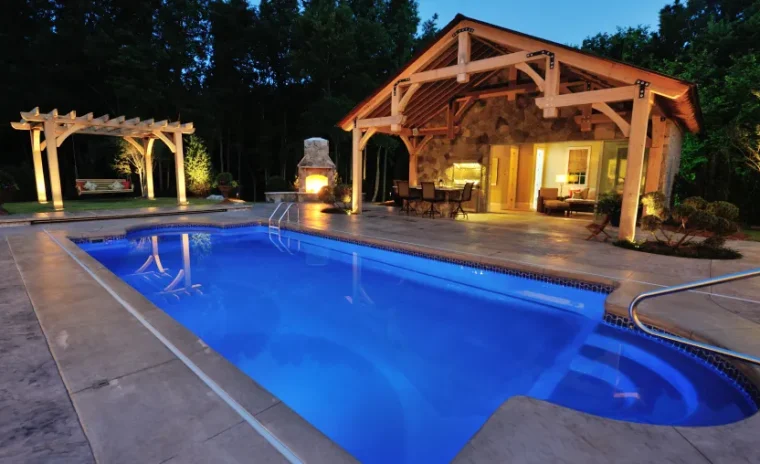
A swimming pool can add value, enjoyment, and relaxation to any property. However, owning a pool also comes with responsibilities. Regular inspections help ensure your pool remains safe, clean, and functional throughout the year. Whether you own a residential or commercial pool, following a comprehensive pool inspection checklist can help you spot problems early, reduce repair costs, and maintain a healthy swimming environment.
Many pool issues start small. A minor crack, a loose handrail, or a clogged filter can quickly turn into a costly repair if left unaddressed. That is why routine inspections are so important. A detailed swimming pool inspection allows property owners to identify safety concerns, structural damage, equipment failures, and water quality issues before they become serious.
In this guide, we will walk through every major component of a pool inspection and explain how to inspect a swimming pool using a practical and effective checklist.
Why a Pool Inspection Checklist Matters
A pool is a complex system made up of structural components, plumbing, electrical systems, filtration equipment, and safety features. Every part must work together properly to keep swimmers safe and the pool operating efficiently.
Using a pool inspection checklist offers several benefits:
- Improves swimmer safety
- Helps identify maintenance issues early
- Extends the lifespan of pool equipment
- Reduces unexpected repair costs
- Supports compliance with local safety standards
- Maintains water quality and cleanliness
- Protects your property investment
A routine pool maintenance inspection can also help prevent downtime and ensure your pool remains ready for use throughout the year.
When Should You Perform a Pool Inspection?
The frequency of inspections depends on pool usage, location, and environmental conditions.
For residential pools, inspections should generally occur:
- Weekly for basic maintenance checks
- Monthly for equipment inspections
- Seasonally for comprehensive evaluations
- Before purchasing a property with a pool
Commercial pools often require more frequent inspections due to heavier usage and stricter safety requirements.
Professional inspections are especially important when buying or selling a property. Just as a Home Inspection can reveal hidden issues within a home, a professional pool inspection can uncover costly concerns before they become your responsibility.
Pool Inspection Checklist: Structural Components
The physical structure of the pool should always be the first area examined.
Check the Pool Surface
Inspect the pool interior for:
- Cracks
- Chips
- Peeling plaster
- Surface staining
- Delamination
- Exposed aggregate
Even small cracks can indicate larger structural concerns. Surface damage may also lead to leaks and increased maintenance expenses.
Examine Pool Tiles
Pool tiles should be:
- Securely attached
- Free from cracks
- Evenly aligned
- Free of excessive calcium buildup
Loose or damaged tiles can indicate movement within the structure or long-term water intrusion.
Inspect Coping and Decking
The coping surrounds the pool edge and helps protect the structure.
Look for:
- Cracked coping stones
- Loose sections
- Uneven surfaces
- Signs of settlement
The surrounding deck should also be inspected for:
- Trip hazards
- Surface cracks
- Drainage issues
- Water pooling
A damaged pool deck can create safety hazards and increase liability risks.
Water Quality Inspection
Water quality is one of the most important parts of any pool safety inspection.
Poor water conditions can contribute to health risks, equipment damage, and algae growth.
Evaluate Water Clarity
The water should appear:
- Clear
- Clean
- Free from cloudiness
- Free from debris
You should be able to see the bottom of the pool clearly from the deck.
Cloudy water often signals filtration issues or improper chemical balance.
Test Chemical Levels
A complete water analysis should include:
- pH levels
- Chlorine levels
- Total alkalinity
- Calcium hardness
- Cyanuric acid levels
Proper chemical balance helps prevent:
- Corrosion
- Scale buildup
- Bacteria growth
- Eye and skin irritation
Consistent monitoring is a key part of every pool maintenance inspection.
Look for Signs of Algae
Inspect pool walls, corners, steps, and shaded areas.
Signs of algae include:
- Green discoloration
- Black spots
- Slippery surfaces
- Musty odors
Early treatment can prevent widespread contamination.
Pool Safety Inspection Checklist
Safety should always be a top priority for pool owners.
A comprehensive pool safety inspection focuses on reducing risks and protecting swimmers.
Inspect Pool Fencing
Pool fences should:
- Meet local code requirements
- Be structurally sound
- Have no gaps or openings
- Completely surround the pool area when required
Damaged fencing can compromise safety and increase liability.
Check Gates and Latches
Pool gates should:
- Self-close
- Self-latch
- Lock properly
- Open away from the pool area when required by code
Test all gates to confirm proper operation.
Evaluate Pool Covers
If the pool has a cover, inspect it for:
- Tears
- Damage
- Sagging sections
- Broken anchors
- Proper fit
Safety covers should be capable of supporting weight according to manufacturer standards.
Inspect Handrails and Ladders
Handrails and ladders should be:
- Securely mounted
- Free of corrosion
- Stable during use
- Easy to access
Loose railings can create significant injury risks.
Verify Safety Equipment
Confirm that safety equipment is present and functional.
This may include:
- Life rings
- Rescue hooks
- First aid kits
- Emergency phones
- Warning signs
Commercial properties often have additional safety requirements.
Pool Filtration System Inspection
The filtration system keeps pool water clean and healthy.
A malfunctioning system can quickly lead to water quality problems.
Inspect Pool Filters
Check filters for:
- Excessive dirt buildup
- Cracks
- Damage
- Proper installation
Different filter types require different maintenance schedules.
These include:
- Sand filters
- Cartridge filters
- Diatomaceous earth filters
Regular cleaning improves efficiency and extends equipment life.
Check Pump Operation
The pool pump should operate smoothly without:
- Excessive noise
- Vibrations
- Leaks
- Pressure fluctuations
Listen carefully for unusual sounds that may indicate mechanical wear.
Inspect Pump Baskets
Pump baskets should be:
- Clean
- Free from debris
- Properly seated
Blocked baskets can reduce water circulation and strain the pump motor.
Evaluate Water Flow
Poor circulation often signals:
- Clogged filters
- Obstructed plumbing
- Pump issues
- Valve problems
Observe return jets and skimmer performance during operation.
Plumbing and Leak Detection Checklist
Water leaks can lead to costly repairs and structural damage.
An effective pool inspection checklist should include a thorough plumbing evaluation.
Inspect Visible Plumbing
Check exposed plumbing for:
- Leaks
- Corrosion
- Loose fittings
- Cracked pipes
Even minor leaks can increase water bills and cause long-term damage.
Monitor Water Levels
Unusual water loss may indicate:
- Structural leaks
- Plumbing leaks
- Evaporation beyond normal levels
Compare water levels over several days to identify potential concerns.
Examine Skimmers
Pool skimmers should:
- Be securely attached
- Operate properly
- Remain free from cracks
Damaged skimmers can impact circulation and filtration performance.
Check Main Drains
Inspect main drains for:
- Visible damage
- Proper covers
- Secure attachment
Damaged drain covers can pose serious safety hazards.
Electrical System Inspection
Pool electrical systems should always be evaluated carefully.
Electrical hazards around water can be extremely dangerous.
Inspect Pool Lighting
Check pool lights for:
- Proper operation
- Water intrusion
- Damaged fixtures
- Loose components
Faulty underwater lighting requires immediate attention.
Evaluate Electrical Connections
Inspect visible wiring and connections for:
- Corrosion
- Wear
- Damage
- Improper installation
Electrical work should always comply with applicable safety standards.
Verify GFCI Protection
Ground Fault Circuit Interrupters (GFCIs) help prevent electrical shock.
Test all GFCI-protected outlets near the pool area regularly.
Pool Equipment Inspection
Several additional systems contribute to pool performance and comfort.
Inspect Pool Heaters
Check heaters for:
- Proper operation
- Corrosion
- Leaks
- Ventilation concerns
A malfunctioning heater can increase energy costs and reduce comfort.
Examine Automatic Cleaners
Automatic cleaning systems should:
- Move properly
- Cover the pool effectively
- Remain free from damaged hoses or cables
Cleaning equipment helps maintain water quality between service visits.
Check Automation Systems
Modern pools may include:
- Automated controls
- Timers
- Remote monitoring systems
Verify all settings and controls are functioning correctly.
Seasonal Pool Inspection Tips
Different seasons present unique challenges for pool owners.
Spring Inspection
Before reopening your pool:
- Remove debris
- Test equipment
- Balance chemicals
- Inspect safety barriers
Spring inspections help prepare the pool for heavy summer use.
Summer Inspection
During peak swimming season:
- Monitor water chemistry closely
- Clean filters regularly
- Check safety equipment often
Frequent inspections reduce the likelihood of unexpected problems.
Fall Inspection
As temperatures cool:
- Remove leaves
- Inspect covers
- Prepare equipment for winterization
Preventive maintenance can reduce off-season damage.
Winter Inspection
For pools that remain operational:
- Monitor water levels
- Inspect freeze protection systems
- Check heaters regularly
Winter inspections help protect plumbing and equipment.
How Professional Pool Inspections Add Value
While routine owner inspections are important, professional evaluations provide a deeper level of analysis.
Experienced inspectors can identify:
- Hidden leaks
- Structural deficiencies
- Safety concerns
- Equipment failures
- Code compliance issues
Professional inspections are particularly valuable during real estate transactions.
If you are purchasing a property, combining a Pool Inspection with a complete Home Inspection can provide a comprehensive understanding of the property’s condition.
Additional services such as Sewer Scope Inspections can also help identify hidden infrastructure issues before closing on a property.
Common Pool Problems Found During Inspections
Many issues discovered during a swimming pool inspection fall into a few common categories.
These include:
- Cracked pool shells
- Leaking plumbing lines
- Failing pumps
- Damaged filters
- Broken safety barriers
- Electrical hazards
- Improper chemical balance
- Drainage problems around the deck
Addressing these issues early often saves substantial repair costs.
Pool Inspection Checklist Summary
When evaluating your pool, make sure your inspection includes:
Structural Components
- Pool surface
- Tiles
- Coping
- Decking
Water Quality
- Clarity
- Chemical balance
- Algae detection
Safety Features
- Fencing
- Gates
- Covers
- Handrails
- Rescue equipment
Filtration Systems
- Filters
- Pumps
- Circulation systems
Plumbing
- Pipes
- Skimmers
- Main drains
- Leak detection
Electrical Systems
- Lighting
- Wiring
- GFCI protection
Additional Equipment
- Heaters
- Cleaners
- Automation systems
Following this pool inspection checklist helps create a safer, cleaner, and more efficient swimming environment while protecting your investment.
Conclusion
A thorough pool inspection checklist is one of the most valuable tools a pool owner can use. Regular inspections help identify problems before they become expensive repairs, improve swimmer safety, maintain water quality, and extend the life of pool equipment. Whether you are performing routine maintenance, preparing for a new swimming season, or purchasing a property with a pool, understanding how to inspect a swimming pool can help ensure your pool remains in excellent condition year-round. By incorporating routine pool maintenance inspection practices and conducting periodic pool safety inspection evaluations, you can enjoy a safer and more reliable swimming experience.
At Brooke and Sons Inspections, we provide detailed Pool Inspections backed by decades of construction and inspection experience. Since 2016, we have helped property owners make informed decisions through thorough evaluations, detailed reporting, and exceptional customer service. With over 40 years of industry experience, thousands of inspections completed, and more than 100 photos included in our reports, we deliver the information you need with clarity and confidence. Whether you need a pool inspection, Home Inspection, Condo Inspection, Crawl Space Inspection, or Sewer Scope Inspection, our team is committed to quality service and responsive support. Call (909) 499-2051 today to schedule your inspection and protect your investment.